- (703) 859-0194
- service@humbleroofingllc.com
- Dumfries, VA 22026
5 Signs It’s Time for a New Roof
5 Signs It’s Time for a New Roof
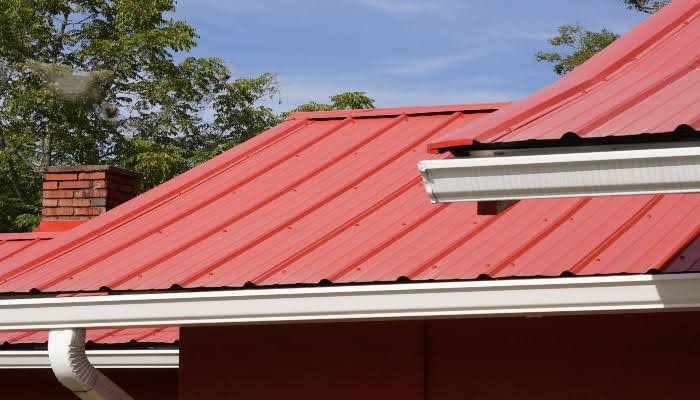
Your roof is one of the most important parts of your home. It protects your family, belongings, and property from the elements. However, like any part of your house, a roof will eventually wear out and need to be replaced.
The challenge is knowing when a few repairs are enough and when it’s time to invest in a new roof. While some roofing problems can be fixed, others may indicate that your roof is nearing the end of its lifespan.
At **Humble Roofing LLC**, we believe that understanding the warning signs can help homeowners make informed decisions, prevent costly damage, and protect their homes for years to come.
Here are five signs that it may be time to replace your roof.
## 1. Your Roof Is Approaching the End of Its Lifespan
One of the first things to consider is the age of your roof. The lifespan of a roof depends on the materials used, installation quality, weather conditions, and ongoing maintenance.
For example, traditional asphalt shingle roofs often last around 20 to 30 years, although some may need replacement sooner. Other roofing materials may last longer when properly installed and maintained.
If your roof is approaching the end of its expected lifespan, it’s a good idea to schedule a professional inspection, even if you haven’t noticed any visible problems.
**What to look for:** If you don’t know when your roof was last replaced, check your home improvement records or ask a roofing professional to assess its condition.
## 2. You Notice Missing, Cracked, or Curling Shingles
Your shingles serve as a protective barrier against rain, wind, and other weather conditions. When they become damaged, your roof may become more vulnerable to water infiltration and further deterioration.
Keep an eye out for shingles that are missing, cracked, curling at the edges, or lifting away from the roof. You may also notice excessive granules collecting in your gutters or near your downspouts.
Although isolated shingle damage can often be repaired, widespread deterioration may indicate that your roof needs to be replaced.
**What to look for:** Check your roof from the ground for visible damage, especially after a major storm. Avoid climbing onto the roof yourself, as damaged roofing materials can create a safety hazard.
## 3. You See Water Stains or Signs of Leaks Inside Your Home
Water stains on ceilings, damp walls, peeling paint, or unexplained moisture in your attic can indicate a roofing problem.
Even a small leak can lead to larger issues if water continues to enter your home. Over time, persistent moisture may damage insulation, wood framing, drywall, and other building materials. It can also contribute to mold growth.
However, not every leak means you need a new roof. Some leaks come from damaged flashing, roof penetrations, or other localized issues that can be repaired.
**What to look for:** Pay attention to brown ceiling stains, musty odors, damp insulation, or moisture in the attic, particularly after heavy rainfall. A professional inspection can help identify the source and determine whether a repair or replacement is the better solution.
## 4. Your Roof Is Sagging or Showing Signs of Structural Damage
A roof should have a consistent, even appearance. If you notice a dip, sagging area, or an unusual change in the roofline, it could indicate a more serious problem.
Potential causes include prolonged moisture exposure, weakened roof decking, excessive weight, or structural deterioration. These issues should never be ignored because they may affect the safety and stability of your home.
**What to look for:** From a safe location, observe whether your roofline appears uneven or whether sections of the roof seem to dip. If you notice significant sagging or sudden changes, contact a qualified professional promptly for an assessment.
## 5. Your Roof Has Sustained Repeated Storm Damage or Needs Frequent Repairs
Strong winds, hail, heavy rain, and falling branches can all damage roofing materials. While a roof can often withstand normal weather conditions, repeated storms may accelerate wear and tear.
If you find yourself scheduling roof repairs frequently, dealing with recurring leaks, or replacing shingles in multiple areas, it may be time to consider whether continued repairs are still the most practical option.
A new roof can provide more reliable protection when the existing system has deteriorated beyond the point where repairs are effective.
**What to look for:** Keep track of recurring roofing problems, previous repairs, and storm-related damage. If the same issues continue to return, ask a roofing professional to evaluate the overall condition of your roof.
## Should You Repair or Replace Your Roof?
Not every roofing issue requires a complete replacement. In many cases, a targeted repair can restore your roof’s performance and extend its useful life.
However, if your roof has widespread damage, is nearing the end of its lifespan, or continues to develop problems despite repeated repairs, replacement may be the more practical long-term investment.
The best decision depends on your roof’s age, material, overall condition, and the extent of the damage.
A professional inspection can help you understand your options and determine the right next step for your home.
## Protect Your Home with Humble Roofing LLC
Your roof plays a critical role in protecting your home, and recognizing the warning signs early can help you avoid more extensive damage.
Whether you’ve noticed missing shingles, recurring leaks, storm damage, or simply have questions about the age of your roof, Humble Roofing LLC is here to help you understand your options.
**Don’t wait until a small roofing problem becomes a bigger concern. Contact Humble Roofing LLC today to schedule a roof inspection and find out whether your roof needs a repair or replacement.**
*Humble Roofing LLC — protecting your home, one roof at a time.*