- (703) 859-0194
- service@humbleroofingllc.com
- Dumfries, VA 22026
Fall Roof Maintenance Checklist for Homeowners in Northern Virginia
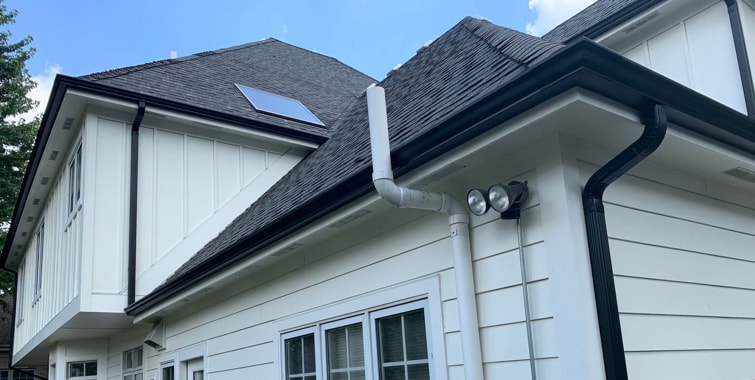
**Prepare your roof for colder temperatures, winter weather, and the months ahead.**
As fall arrives in Northern Virginia, homeowners begin preparing their properties for colder temperatures and changing weather conditions. While many people focus on landscaping, heating systems, and winterizing their homes, one important area often gets overlooked: the roof.
Your roof protects your home from rain, wind, snow, and fluctuating temperatures. Taking time to inspect and maintain it during the fall can help identify potential problems before winter weather makes them worse.
For homeowners in Dumfries, VA, and surrounding communities, here is a practical fall roof maintenance checklist to help protect your home and prepare your roof for the season ahead.
## 1. Clean Your Gutters and Downspouts
Falling leaves and debris can quickly accumulate in gutters during autumn. When gutters become clogged, rainwater cannot drain properly and may overflow near your home’s foundation or back up along the roofline.
As temperatures drop, trapped water can also freeze, potentially contributing to ice buildup and drainage problems.
**What to do:**
* Remove leaves, twigs, and other debris from your gutters.
* Check downspouts to make sure water flows freely.
* Look for loose gutter sections, sagging areas, or visible damage.
* Make sure water drains away from your home’s foundation.
Keeping your gutters clear helps manage rainwater and reduces the risk of moisture-related damage.
## 2. Inspect Your Shingles for Damage
Roof shingles are your home’s first line of defense against the elements. Over time, exposure to sunlight, wind, rain, and seasonal temperature changes can cause roofing materials to deteriorate.
Missing, cracked, curling, or loose shingles may leave portions of your roof more vulnerable to water infiltration.
**What to do:**
From the ground, look for visible signs of shingle damage, uneven sections, or roofing materials that appear to be lifting. If your roof has recently experienced strong winds or heavy rain, consider scheduling a professional inspection.
Addressing minor damage early may help prevent more extensive repairs later.
## 3. Check Flashing Around Chimneys, Vents, and Skylights
Some of the most vulnerable areas of a roof are not the shingles themselves but the places where the roof meets another surface or where something passes through it.
Flashing helps seal these transitions and directs water away from vulnerable areas. If flashing becomes loose, corroded, or damaged, water may find its way into your home.
**What to do:**
Look for visible gaps, damaged metal, or deteriorating sealant around chimneys, skylights, vents, and other roof penetrations. Also, pay attention to any water stains on ceilings near these areas.
Because flashing problems can be difficult to identify from the ground, a professional roofing inspection is often the safest way to assess their condition.
## 4. Trim Overhanging Tree Branches
Northern Virginia’s fall foliage can be beautiful, but overhanging branches can pose a risk to your roof.
Branches may scrape against shingles during windy weather, while dead or weakened limbs can break during storms. Leaves and twigs can also accumulate on the roof and in gutters, contributing to drainage problems.
**What to do:**
* Identify branches hanging directly over your roof.
* Have dead, damaged, or unstable limbs trimmed by a qualified professional.
* Remove accumulated leaves and debris when it is safe to do so.
Proper tree maintenance can reduce the risk of impact damage and help keep your roof and gutters clear throughout the season.
## 5. Look for Signs of Roof Leaks Inside Your Home
Not all roofing problems are visible from outside. Sometimes, the earliest warning signs appear inside your home.
Small leaks can go unnoticed until moisture begins affecting ceilings, walls, insulation, or attic spaces. Colder weather can make existing moisture problems more complicated, particularly if water enters areas that are difficult to dry.
**What to do:**
Check your ceilings and upper-floor walls for brown stains, peeling paint, bubbling drywall, or damp spots. If you have an accessible attic, look for signs of moisture, water staining, or damp insulation.
If you discover signs of a leak, have the source identified and addressed promptly rather than waiting for the damage to worsen.
## 6. Check Your Attic Ventilation and Insulation
Your roof’s performance depends on more than the materials installed on its exterior. Proper attic ventilation and insulation also play important roles in managing temperature and moisture.
In winter, warm air escaping into a poorly ventilated attic can contribute to uneven roof temperatures and increase the risk of ice dams under the right conditions. Excess moisture in the attic may also contribute to mold growth and deterioration of wood components.
**What to do:**
Look for signs of damp insulation, condensation, unusual moisture, or blocked attic vents. Make sure insulation and ventilation are appropriate for your home’s design.
If you notice persistent condensation or unexplained moisture, consult a qualified roofing or building professional to identify the cause.
## 7. Schedule a Professional Roof Inspection Before Winter
Even if your roof appears to be in good condition, some problems are difficult to spot without a closer assessment.
A professional inspection can help identify damaged shingles, deteriorating flashing, drainage issues, and other concerns before colder weather arrives.
For homeowners in Dumfries and throughout Northern Virginia, fall can be a convenient time to evaluate roof condition and determine whether maintenance, repairs, or more extensive work may be needed.
An inspection does not automatically mean you need a new roof. In many cases, addressing a specific issue is enough to help maintain your existing roofing system.
## Why Fall Roof Maintenance Matters in Northern Virginia
Homes in the Dumfries area experience seasonal changes that can affect roofing materials over time. Autumn brings falling leaves and fluctuating temperatures, while winter may bring freezing conditions, snow, ice, and strong winds.
Preparing your roof before winter can help you identify vulnerable areas, maintain proper drainage, and address existing damage before it becomes more difficult to manage.
Although routine maintenance cannot prevent every roofing problem, it can help homeowners make informed decisions about their property’s condition and maintenance needs.
## Get Your Roof Ready for Winter with Humble Roofing LLC
A little preparation in the fall can go a long way toward protecting your home throughout the colder months.
Whether you have noticed missing shingles, clogged gutters, signs of a leak, or simply want to know whether your roof is ready for winter, Humble Roofing LLC is here to help.
Serving homeowners in Dumfries, VA, and the surrounding Northern Virginia area, our team can help you assess your roof’s condition and determine the next steps for maintaining your home’s protection.
**Don’t wait for winter weather to reveal a roofing problem. Contact Humble Roofing LLC today to schedule your roof inspection and prepare your home for the season ahead.**
*Humble Roofing LLC — dependable roofing solutions for your home.*